IESプログラム ゼミナール紹介レポート

言語コミュニケーション・英語教育分野
小松雅彦 ゼミ(音声学ゼミ)
「音声学」って何?
「音声学をやっています」と言うと,世間一般では「温泉学?全国温泉巡りですか,いいですね」(「音声」→「温泉」)とか,せいぜい「歌がお上手なんですね」(「音声学」→「声楽」)とかの反応が返ってきます(これは実話です)。大学の中では,何やら発音に関することという程度の認知はされているようですが。
/p/, /t/, /k/と順に発音していくと,息の流れを妨げる閉鎖の位置が,唇,舌と歯茎,舌と上あごと,だんだんと後ろになっていることが分かりますか?これらを閉鎖音と言います。/k/は分かりにくいかもしれませんが,手鏡やスマホを使って口の中を見ながら「カカカ…」と言ってみると,舌と上あごが接触しているのが見えます。「カキ」(柿)と言ってみると,2つの/k/の閉鎖の位置が微妙に違っているのが分かると思います。英語でも,例えば,eighth /eɪtθ/とtree /triː/では/t/の閉鎖の位置が違っています。こういう感覚を掴んでいくのが音声学の基本です。
音声学は,言語音の発音の仕方,伝わり方,聞こえ方を研究する分野で,音の並び方の規則を研究する分野とも関わっています。半分は実学で,半分は研究です。外国語教育や日本語教育,コミュニケーション障害のある人に対する言語聴覚療法では必須の知識で,音声認識・合成でも基礎的な知識です。話すこと・聞くことというあまりに身近な領域なので,普段は意識していないと思いますが,まだ分かっていないことは多くあります。
私自身が音声の音響分析を専門としていることもあり,ゼミでは音響音声学という分野を中心に教えています。データの収集,分析,聴取実験など,実験的な研究をしています。卒業論文は音響音声学の分野に限らなくても良いことにしており,学生は斬新な発想で色々な研究に取り組んできてくれました。一部を紹介すると,「デーブ・スペクターの日本語の訛り」「日本人訛りの英語と中国人訛りの英語の比較」「中川家のモノマネ中国語が中国語に聞こえる要因」「日本語無声破裂音・破擦音における発話の困難性」「地域による方言と印象評価」「日本語訛りの英語とネイティブ・スピーカーの英語とでは日本人にとってどちらが聞き取りやすいか」「動物の鳴き声を写す擬声語」「幽霊にまつわる音」「沖縄方言のアクセント規則」などです。
単に授業に出席するというよりも,ゼミという研究チームに一員として加わっている人をお待ちしています。


佐藤裕美 ゼミ(見えない言語の仕組み:英語と日本語の対照研究から考察する)
ヒトは生後数年の短い期間に積極的な努力や矯正指導など無しで自分の第一言語を習得することができ、自分の言語について、無意識に内在化された知識、直観的な判断力をもっています。外国語を学ぶ際、特に思春期以降の学習の場合には、その言語についての意識的な学習が必要となり、学習文法書や伝統文法書に書かれている事柄を意識的に学び、記憶しようとしますが、文法書に書かれている事柄は、ネイティブ・スピーカーの知識(能力)をどのように反映しているのでしょうか。
外国語としての英語において高いコミュニケーション力をもつ比較的習熟度が高いスピーカーであっても、時として正用法とは違う表現をしたり、確認の必要を感じたりすることがあるでしょう。このような習熟度の高い英語学習者が間違えたり、知識が不確かだと感じたりする事柄について、辞書や文法書にその解決策が全て示されているかといとそうではない事を今これを読んでいる多くの皆さんが経験済みのはずです。外国語を学ぶ時に私たちは、自分の言語の中にある規則性が学習中の言語ではどのように違っているかを手がかりにしながら学ぼうとしますが、言語の違いは文法規則の違いのみに表れるものでないことも知っています。英語と日本、あるいはさらに多くの表面上大きく違って見える言語に共通した規則性があるとすればそれはどのようなものなのか、そして文法性とは別の英語らしさ、日本語らしさとはどのようなことなのかについて、日本語アニメやマンガなどの英語版のセリフを詳しく分析することを通して考察します。
英語と日本語の違いを文法書に記載されている事柄を超えてより細かく、かつ体系的に観察、分析することを通して言語の仕組みについてより深く捉えることを期待しています。


中村ジェニス ゼミ(Multilingual Individuals and Multilingual Societies研究)
世界の過半数の人々はバイリンガルである。アメリカやカナダの英語圏でも2割の人は英語以外の言語を使用している。トロントやロスアンゼルスのような大都市でバイリンガルの人口はそれぞれ5割と6割まで及ぶ。
私の国のマレーシアも多言語国家である。私は、小さい頃から親から英語、祖父母から客家語、友達から広東語を教わった。小学校に入学してから、公用語のマレー語を勉強した。20代に北京で務めたとき、北京語を話せるようになった。その後、日本に留学し、日本語も身に付けた。複数の言語に触れ合ってきたので、「母語は何ですか」と聞かれると戸惑うしかない。私のように多言語の国の人は、必ずしも一つの母語を持ち、その母語は国の公用語とは限らない。
<Multilingual Japan>
日本はモノリンガル社会だと思う人が多いが日本も変わりつつある。一例を挙げれば近年、日本の小中学校にCLD児、つまり「文化的言語的に多様な子ども(culturally and linguistically diverse children)」が増えている。彼らは、日本語以外にもポルトガル語や中国語などで生活している。また、日本の過去20年の間の出生数を見ると50児の中の1児の親の一方は外国人である。その子どもたちもバイリンガルになることもある。
私は、日本におけるバイリンガリズムを研究し、ゼミではこの専門分野を教えている。私のゼミに所属する日本人の大学生は、バイリンガルの友達がいたり、外国人が多い地域に住んだりして、国内による国際化を自ら経験しているので、バイリンガリズムに関心を持つ。ゼミでは、「どうやって同時に二言語を身に付ける?」「二言語をどうやって使い分けている?」というような疑問を心理言語学の観点から学生と一緒に考える。
<Multilingual landscapes of Minato Mirai>
2021年からゼミ生と一緒にみなとみらいキャンパスの周辺で多言語景観(multilingual landscapes)の研究をしている。日本では意外に多言語景観は簡単に見つけられる。函館や箱根のような観光地に行けば、以下のような多言語景観が見られる。
学生は、このように多言語表示を写真で記録し、フィールドワークをする。現在のみなとみらいはすでに多くの英語の表示が見られるが、今後はさらにマルチリンガルになるであろう。学生と共に次の5年または10年のみなとみらいの言語景観の変化を観察し、調査していく予定である。この活動は、インターネットやSNSで配信したり大学のイベントで展示したりするので、是非ご覧いただきたい。


源邦彦 ゼミ(多言語のなかの英語、英語のなかの多言語)
世界では多様な英語が使用されています。また、英語はそのほか数千の言語とともに使用されています。特定の英語、英語とそのほかの言語との関係によって経済格差や教育格差が生じ、人種・民族差別がなされています。本ゼミでは英語の多様性、多言語の中の英語に焦点を当て、どのように言語的相違や多様性をマネージし、どのように格差、差別を解消あるいは軽減できるのかを考えます。人種差別自体をテーマにすることも可能です。
当ゼミではことばの多様性―英語と日本語等の複数言語間の社会関係、「標準英語」と日本人英語等の複数方言間の社会関係―に関連する社会問題を扱います。ことばの多様性と関わる社会問題の適切な理解、解決を図るため、各言語あるいは各方言が置かれている社会状況―経済、政治、歴史等―から問題を分析し、より現実に即した方策を議論、考案します。
以下、ことばの多様性に関連する社会問題を紹介します。
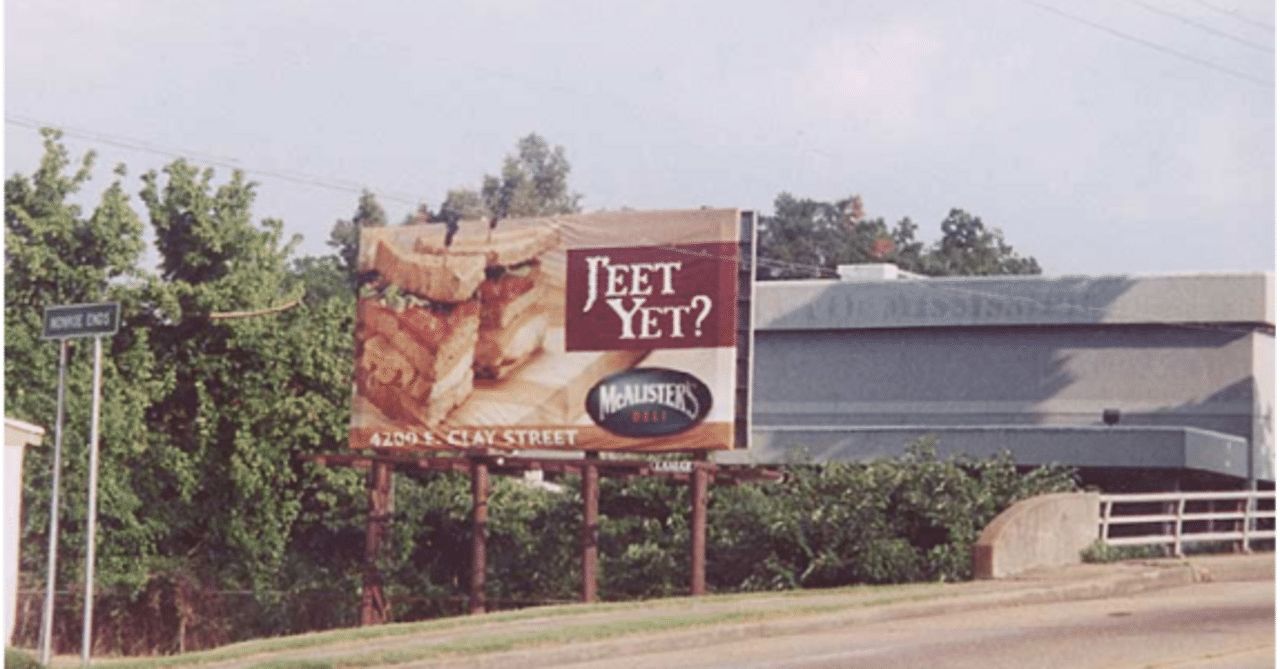
日本語を母語とする英語使用者は、ほぼ全員が日本語の影響を受けた英語を使用しています。これは科学的にも証明されているごく自然な言語現象です。ところが、「標準英語」とは異なる英語を誹謗中傷する行為立派な人権侵害ですが後を絶ちません。例えば2021年8月17日、大リーグエンゼルス対タイガース戦で、大谷翔平選手の打席のとき白人男性解説者がアジア人に特徴的な英語のものまねをしました(解説者は懲戒処分)。ここにはアメリカ白人社会による人種差別が関与しています。
では、米国や英国のアフリカ人奴隷子孫(通称「黒人」)が直面する問題を見てみましょう。この人々の大半は英語以外の言語や「標準英語」とはかけ離れた「方言」を母語とします。経済、政治、教育、宗教などありとあらゆる場面で人種差別にさらされ、子供たちは英語または「標準英語」のみで教育を受け、子供たちの母語の影響を受けた英語は言語障害、認知障害、誤りとみなされてきました。英語(使用者)の支配は、さまざまな人種差別と絡み合うことで他言語(使用者)を危機に陥れ、「標準英語(=白人男性ミドルクラス英語)」(使用者)以外の多様な英語(使用者)の存在も否定してきたのです。
本ゼミでは以上のような英語をめぐる問題全般を研究対象とします。インドの多言語政策や米ラップミュージックにおけるアフリカ人奴隷子孫英語、各国の人種差別(暴力、雇用差別、教育差別、司法差別等)やBlack Lives Matter運動なども扱います。



久保野雅史 ゼミ(英語教育「実践学」入門)
この英語教育ゼミの目的は「中・高等学校の英語教員に求められる基礎力を身につける」ことです。英語教員に求められる基礎力とは何でしょうか?現代の英語教育を取り巻く激動する状況を整理してみましょう。
2013年実施の高校学習指導要領には、英語の授業は「英語で行うことを基本とする」という記述が盛り込まれ、2021年度には中学校でも同趣旨の学習指導要領が実施され、小学校でも5、6年生で教科としての英語の授業が始まりました。このような教育改革の狙いは「発信力、とりわけスピーキング力の強化」だと言われています。従って、これからの英語教員には、4技能をバランス良く育成する「授業実践力」に加えて、CAN-DOリスト等の到達目標を意識した「シラバス作成力」、4 技能 5 領域を評価する「テスト作成力」が求められることになるのです。
このような力をもった英語教員になるには、生徒たちの分かる英語で語りかけることができる「教員としての英語音声表現力」が基礎的な力として必要になってきます。教員の語りについては、パーマー賞受賞者であり、文部科学省の教科調査官も務めた、新里眞男氏の以下の主張に注目する必要があります。
高校では英語を使った英語の授業が本格的に始まりました。それに呼応するかのように、「教室英語」の本が多く出版されました。いくつかを見ると、先生が指示を出す、注意する、褒めたりダメ出ししたりするなどの英語表現が中心のようです。残念ながら、コミュニケーション能力を目指すという基本姿勢が見えません。
生徒の「発言」をきちんと受け取ること。生徒は単語やフレーズで答えることが多いのですが、その際、教師がそれを受け入れ、フルセンテンスで言い直して確認するのです。大切なのは、授業を生徒の誤りをチェックするだけの場ではなく、可能な限り、英語で意味のやり取りをする場とすることだと考えます。
英語で「意味のあるやりとりをする」ための基本は「教科書の内容を自分の言葉のように語ることができる力」だと言い換えても良いでしょう。このような力を2年間かけて身につけていきましょう。
この<専門研究>では、3年次の「英語科教育法Ⅲ、Ⅳ」、4年次の「教育実習」そして「教員採用試験」に備えるために必要不可欠な英語力や問題意識を演習形式で高めていきます。ですから、英語教育「実践学」なのです。実際の教科書を使って授業準備や模擬授業を行い、試行錯誤を通して生まれた問題意識を大切にして、英語教員に求められる英語力に加えて、英語指導力の基礎を身につけていきましょう。
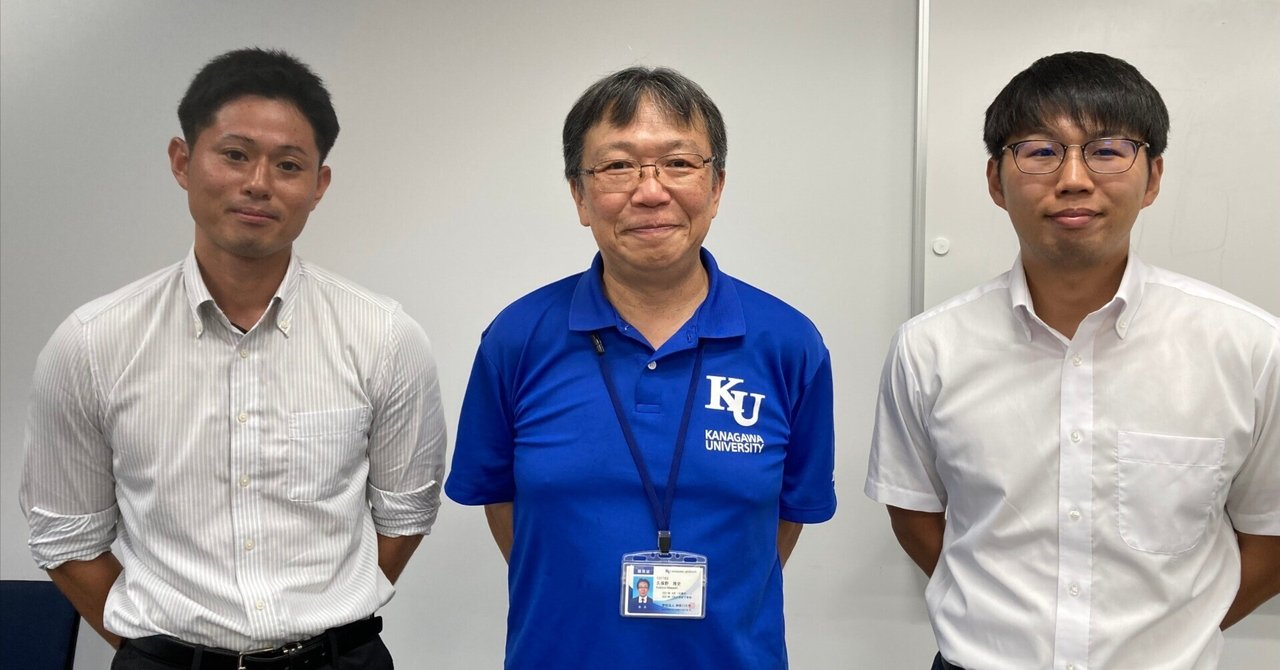

髙橋一幸 ゼミ(教員養成のための英語科教育研究[Professional English Teacher Education])
髙橋ゼミでは、中学校教員養成を主たる目的として2年次から4年次までの以下に示す3年計画で、理論と実践のバランスを取りながら「プロの英語教員」を育てています。「ゼミから100名以上の教諭が誕生しています。卒業生は北海道から沖縄まで全国の小中高大の教育現場で活躍し、指導主事も生まれています。
<2年次・教職基礎研究>
前学期:英語授業基本知識・技能トレーニング
10のテーマを掲げ、50分間の授業を行う基礎となる専門知識と技能を養います。優れた授業実践のビデオ参観、教員による授業実演やゼミ生との授業比較も行います。
後学期:教えるための語法・文法研究
英語で書かれた語法・文法書を講読し、50ページを超えるレポートを作成し、ゼミ生によるリレー発表と教員の補足解説を通して中高で教える語法・文法を専門的に再学習します。「中・高教材研究と授業演習」では中高の検定教科書を使って教材研究を行い、教員のモデル授業のビデオ視聴や実演も経て、グループで初めての本格的模擬授業「トライアル授業」に挑戦します。
<3年次・専門研究>
前学期:学習指導要領の歴史
教育基本法などの教育法規、学習指導要領の変遷を歴史的に学び、教員採用試験に備えます。「ビデオによる授業分析」では教員が中学校で行った授業ビデオを視聴し、これまでに学習した指導法を目で確認します。「指導案分析演習」では、映像なしで指導案を熟読し、授業を思い描きながら問題点を探り、その改善策を検討することで「授業改善能力」を養い、ゼミでの1年半のinput phaseを終わります。
後学期:連続模擬授業による指導力向上演習
総仕上げのoutput phaseに入ります。グループによる3回の模擬授業(Micro-teaching: MT)とそのふり返り協議を通して、指導力と授業改善能力を高めていきます。
<4年次・卒業論文>
前学期:教育実習と教員採用試験対策講座
実習校で教える教科書を使って、ゼミ生が50分間の模擬授業を一人で行います(個人MT)。また、教員採用試験の面接や小論文、模擬授業に向けた全体・個別指導を行います。教育実習での体験もふまえて卒論のテーマを決め、教員の助言のもとに研究計画を立てて執筆を始めます。
後学期:卒論執筆個別指導
毎週の個別指導で12月初旬の提出をめざし執筆を進めます。卒論発表会ではPowerPointなどを使って後輩ゼミ生の前で卒論を発表し、プレゼン能力を高めます。


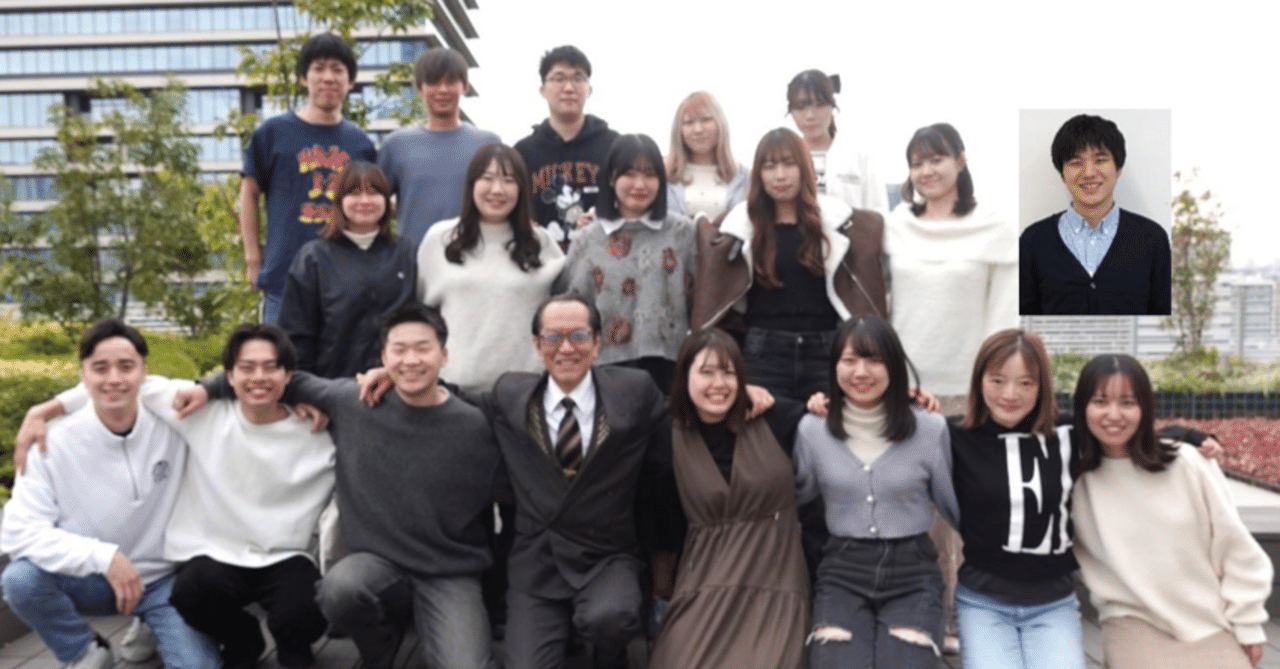
英語圏文学・文化分野
加藤千博 ゼミ(イギリス文学・文化とカルチュラル・スタディーズ)
本ゼミでは、イギリス文学作品、特に小説を題材として、カルチュラル・スタディーズの観点から解釈・分析をします。
novel(小説)という語には「新しい」という意味があるように、小説は18世紀に登場した比較的新しい文学ジャンルです。カルチュラル・スタディーズとは、20世紀後半にイギリスで誕生した、弱者やマイノリティの人々の文化にも焦点をあてようとする学際的な研究分野で、言語、階級、人種、ジェンダー、植民地主義、環境問題など様々な社会課題を扱います。この視点を用いて文学作品に新たな光を当てていきます。
3年次のゼミでは、ユートピア文学を題材として、カルチュラル・スタディーズの視点を採り入れながら、作品を分析・解釈します。ユートピア文学は、実現不可能な理想社会を示すことで、現実世界を批判し、どうすれば現実社会が向上するかを我々読者に考えさせてくれます。ユートピア文学作品は結末が曖昧なことが多く、多義的な解釈が可能なため、学生ごとに異なった意見が生まれるでしょう。ディスカッションを通じて、作品への多角的なアプローチと批判的な思考力を身に付けていきます。これらのアカデミックスキルは、他の文学ジャンルや文化研究にも応用できます。
4年次のゼミでは、各自がテーマとする作家・作品とアプローチ方法を定め、卒業論文の執筆に取り組みます。対象とする文学作品は自由に選ぶことができます。前期は資料収集と発表を繰り返し、後期は原稿の執筆を進めます。例えば、ジェイン・オースティンの『高慢と偏見』をジェンダーの視点から分析したり、J・Kローリングの「ハリー・ポッター」シリーズを人種や階級意識の観点から考察したり、あるいは、ジョナサン・スウィフトの『ガリヴァー旅行記』と宮崎駿監督の「天空の城ラピュタ」をエコロジーやディストピアの視点から比較しても面白いでしょう。


郷健治 ゼミ(シェイクスピア劇と異文化理解)
本ゼミナールでは、16世紀末から現代にいたるまで、400年以上にもわたってイギリスの文学・文化・社会に多大なる影響を与えてきたシェイクスピア(William Shakespeare)の劇作品を(訳本と原文で)精読し、その作品の意味と歴史的・文化的な重要性を研究します。また、シェイクスピア劇は日本文化とはまったく異質な英語圏の文化を理解するための最良のテキストなので、シェイクスピア劇を通して日英の文化の違いを学び、異文化理解の基礎力を養います。
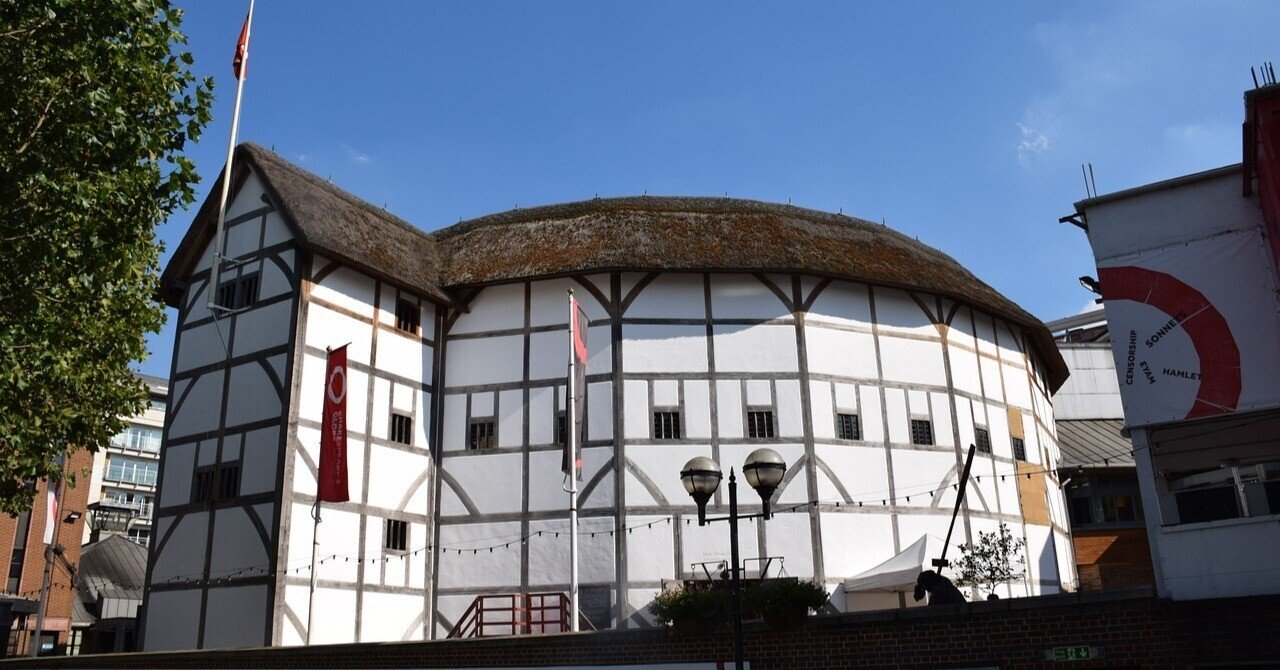
3年次のゼミでは、シェイクスピアの原文(英語)テキストと日本語の訳本を使って、1年間かけてシェイクスピア劇1本を精読し、考察します。予習では、まず訳本でテキストを深読みして、英語の原文も毎回20行ほど辞書を引いて精読してもらいます。劇のテキスト(text)と物語(narrative)の意味、登場人物の言葉や物語の展開に関する疑問点や問題点、日英文化の違い、イギリス文化に浸透している(言語的+劇的な)アイロニーなどについて考察してもらいます。授業では、毎回その日に考察する劇のシーンのロンドン・グローブ劇場での英語公演の舞台映像を(英語字幕付きで)視聴します。そのあと、30分ほどグループ討論して、その内容を各グループに発表してもらいます。年度末には劇の主要登場人物のキャラクター分析を3・4人グループで複眼的に探求して、プレゼンテーションしてもらいます。
4年次に卒論を書きたい人は、3年次のゼミで探究したテーマ、あるいは、探究してみたいと思ったテーマを掘り下げて、そのテーマに関連した研究書・論文を読み、卒論に取り組んでください。シェイクスピア研究は、文学的、歴史的、文化的、社会学的、そして上演史的な視点からと、さまざまな視点から研究が可能です。自分が好きなアプローチの仕方でぜひ卒論に挑戦してください。
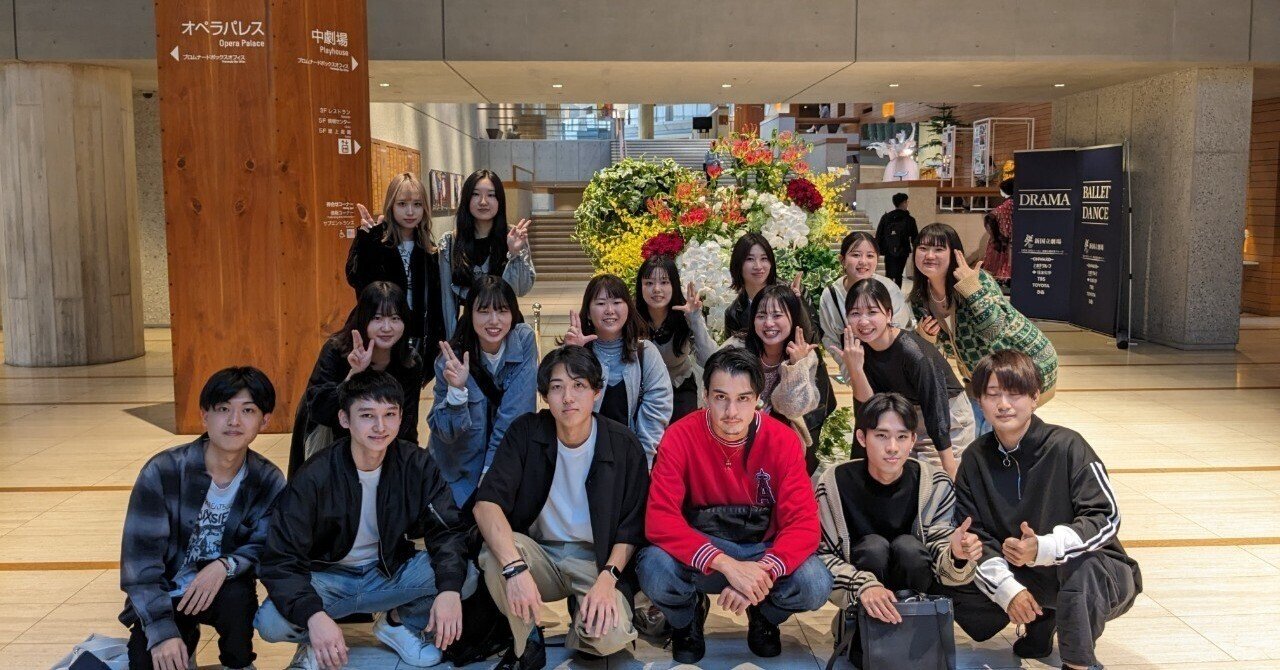
授業外活動:劇作品を研究するためには劇場での観劇体験が不可欠です。本ゼミナールでは、3年次にシェイクスピア劇を2回、日本の古典芸能(歌舞伎)を1回、ゼミ生全員で観劇する機会を設けます。また、シェイクスピア劇に頻繁に登場するヨーロッパの古典(聖書とギリシャ・ローマ神話)のイメージを学ぶため、4月に上野の国立西洋美術館でヨーロッパ絵画を鑑賞します。9月には3・4年生合同でゼミ合宿も実施します。

鈴木宏枝 ゼミ(ファンタジーを読む)
主に英米のファンタジーを読みます。文学ジャンルの1つとしてのファンタジーは、各国で多様に展開していますが、英語圏ではイギリスが筆頭国になります。中世の伝承や民話を源流に、ゴシックロマンなどの影響も受けながら19世紀半ば以降の『水の子』(英 1863)『不思議の国のアリス』(英 1865)『北風のうしろの国』(英 1871)などで本格的に開花し、動物ファンタジー、人形ファンタジー、ハイ・ファンタジー、エブリディ・マジックなど様々なサブジャンルを生みながら発展してきました。
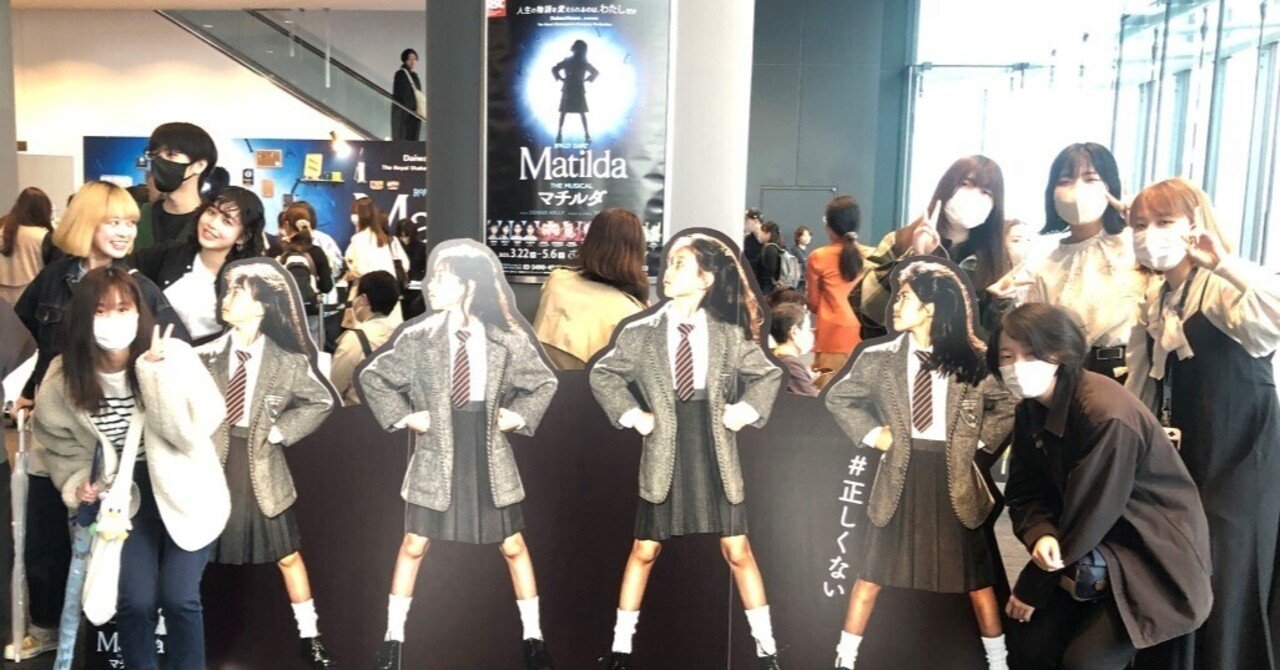
架空の生きものや超自然的な要素を取り入れつつ、そこに鋭く表されているのは社会の現実や人間の心理のひとつの相です。同時代の社会事情や文化が作品にどう反映されているか、フェミニズムやポストコロニアリズムなどの現代思想とどう関連するか、自分なりの視点を持っておもしろいと思う作品の「おもしろさ」を考えましょう。『不思議の国のアリス』、『オズの魔法使い』(米 1900)、『クマのプーさん』(英 1926)、『ライオンと魔女』(英 1950)などの古典のほか、「ハリー・ポッター」など 20世紀後半以降の現代作品やアダプテーション(映像化や舞台化)も対象になります。


冨塚亮平 ゼミ(アメリカの文学・文化とその背景)
本ゼミでは、アメリカの文学や映画、音楽などの広義の文化全般を題材として、各自が興味を持った作品を選択して、アカデミックな論文を執筆します。
私はこれまで作家・思想家のラルフ・ウォルド・エマソンを中心とする19世紀中頃、いわゆるアメリカン・ルネサンスと呼ばれる時期に活躍した作家たちの文学を専門的に研究してきましたが、同時に映画や現代の小説などについても幅広い関心を持っています。ですから、こういった作品や題材を研究対象としても良いのか、と悩むことなく、思う存分みなさんの関心を追求してもらえればと思います。
ゼミでの研究を楽しく実りあるものにするためには、なによりも時間をかけて考え、分析してみたい作品や作家に出会うことが重要です。
そのため、まず3年次には、いくつかの具体的な作品に英語で触れながら、各自の関心を探っていきます。あわせて、多角的に作品を捉えるため、さまざまな批評理論についての入門的なテキストを読み、議論します。また、資料調査や口頭発表・論文執筆の方法についても学びます。卒業後も役立つような形で、図書館やインターネットを適切に利用して、必要な情報を素早く、なるべく安価に入手する方法を身につけます。人種・ジェンダー・階級といったテーマをめぐる基礎知識を身につけ、単に作品に触れるだけではなく、作品の構造や主題を分析できる能力を身につけることを目標とします。
そして4年次には、引き続き理論的なテキストを学びつつ、中心的に扱う作家や作品を絞って、各自の研究を進めていってもらいます。授業や合宿を通じて研究内容について口頭で発表し、私や他のゼミ生からのコメントを元にその議論を加筆修正しながら、最終的になるべく多くの方が、その成果を一定の分量からなる卒業論文としてまとめられることを目標とします。



正木慶介 ゼミ(イギリスの文化・歴史について学ぶ)
イギリスの歴史と文化について学生が自由にテーマを決めて研究することができるゼミです。
イギリス人が日本に初めてやってきたのは16世紀、シェイクスピアの時代です。いらい日本人はイギリスに関心を持ってきました。明治の時代になるとそれは特別な憧れに変わります。当時のイギリスが世界の「覇権国家」だったからです。その名残は今でも感じとることができます。例えば、日本人は“British Empire”という英語表現を「大英帝国」とわざわざ大げさに訳してきました(「大」にあたる英語は見あたりませんね)。同じことは「大英博物館」(British Museum)や「大英図書館」(British Library)にも言えます。
日本人はイギリスを長いあいだ熱い眼差しで見つめてきました。最近はグローバル化の進展の中で英語の重要性が飛躍的に高まり、その母国としてのイギリスに再注目する人も増えてきています。(皇室の方々が留学先に選ぶ国もだいたいイギリスですね。)
では、日本人はイギリスの歴史や文化についてしっかりと理解してきたと言えるでしょうか。実はそうでもなさそうです。「イギリス=イングランド」だと思っている人は今でもかなり多いでしょうし、もしかしたら、「イギリス人は何世紀にもわたって紅茶を飲み続けているのだ」と考えている人もいるかもしれません。(ちなみに「イギリス」は、イングランド・ウェールズ・スコットランド・北アイルランドという4の国から成る「連合国家・連合王国」です。また、紅茶を飲む習慣がイギリスで一般化するのはせいぜい18世紀のことで、しかも茶葉は今もなおずっとアジア諸国をはじめとする他国からの輸入品です!ただ紅茶熱は確かでその証拠にお茶をめぐる戦争も起きました。)
近いようで遠い印象の国イギリス。でもなんだか気になって仕方がない国イギリス(サッカーと英語の母国なんでしょ、いまだに貴族がいるの、イギリス料理って美味しくないんでしょ、Brexitってどうなったのetc.)。
興味がわいたらそこが入り口。じっくり一緒に学んでみませんか。


Esther Lovely ゼミ(Cultural identity, intercultural adaptation and communication)
"Where do you come from?" Have you ever been asked this question? If you go overseas and meet new people, I'm sure this is a question you will be asked. This may seem like a very simple question, but for some people it might actually be difficult to answer. There are many people today who live, study, or work in a country other than the country where they were born. How do they decide the best way to answer this question?
My research is focused on cultural identity and communication. I'm interested in studying how these kinds of people learn to adjust and survive to a new country and a new culture, particularly how communication influences that. Language is an important part of communication, but there are many types of communication. Especially these days, people can communicate in many different ways using the internet. Ten years ago, who could have predicted how advanced smartphones would become?
The experience of living overseas has changed for many people because of these new communication technologies. In my own experience when I went abroad as an exchange student, I had to call my parents from a public pay phone every two weeks (my mother was so worried!). Now I can Whatsapp my family, voice call and video call, and easily send them photos or video of my life in Japan any time. How does that type of communication with people in the home country affect my cultural identity and my adjustment to life in Japan?
This is just an example of the kinds of questions I'm interested in discussing in my classes. So far, my students have been reading about the experiences of people such as Japanese returnee students, Korean international students, immigrant women learning English in Canada, reverse culture shock among young Thai people returning to their home country, biracial Asian-American university students, immigrant youth in Italy, and more.
All of these people have varied and interesting experiences regarding how they learn language, how they use language, how their identity changes over time, and how they feel about their changing identity. Some of my students also studied or lived overseas and apply the concepts learned in class to their own experiences, but this is not the case for all my students. Other students in my classes are Japanese and have lived in Japan their whole lives.
However, it's interesting to see how everyone can understand the experiences of going to a new place or joining a new group, and how you learn to overcome the stress and grow used to it over time. Even an experience like starting university or joining a club can have similarities ? learning new behaviours, new words and ways to speak, and meeting new people, even if you're still in Japan.
ヤスダ・レイモンド ゼミ(アメリカ文化研究)
Becoming American - Race and culture in the United States
What is American culture? For many people interested in the US, images of fast-food, hip-hop music, the NBA, Hollywood movies, or famous brands come to mind. However, American culture is much more than McDonalds, Justin Bieber, Lebron James, Marvel movies, or Nike. America began as a country of immigrants and is a ‘melting pot’ of cultures and races. People of different backgrounds: Europeans, Blacks, Hispanics, and Asians, all continue to influence American culture.
This seminar will introduce students to the field of cultural studies, focusing specifically on the multi-racial and multicultural nature of the United States. Students will have an opportunity to discuss questions such as: What does it mean to be American? How do people of various races experience American culture differently? How have different ethnic groups influenced American culture? How does American culture influence other cultures, such as our culture here in Japan?
Our journey will start by looking at the Asian American experience in Hawaii, my home. Students can learn about the challenges of Japanese and Chinese immigrants face in becoming accepted as American. From there, students will explore broader issues related to the Black, Hispanic, and Asian communities in the United States. Topics such as racial inequality, discrimination, and a positive move to a more inclusive America will be covered. Finally, students will study how American culture has influenced other countries, especially Japan.
Students interested in Hawaii, American culture, racial issues, or multicultural societies are encouraged to join. We will explore these topics through active discussions, case studies, and research projects in this seminar. I look forward to taking this educational journey in American Cultural Studies together with you!